Trezor Safe 5 implants: 3 wallets sold by CryptoBilis copied recovery phrases, firmware 2.13.1
Trezor confirmed hidden circuit boards in three Safe 5 wallets that sent recovery phrases over a mobile network; the 2.13.1 update blocks them, but exposed phrases need a new wallet.
· 7 min read
Written by AI from the sources linked below. How we use AI
On this page
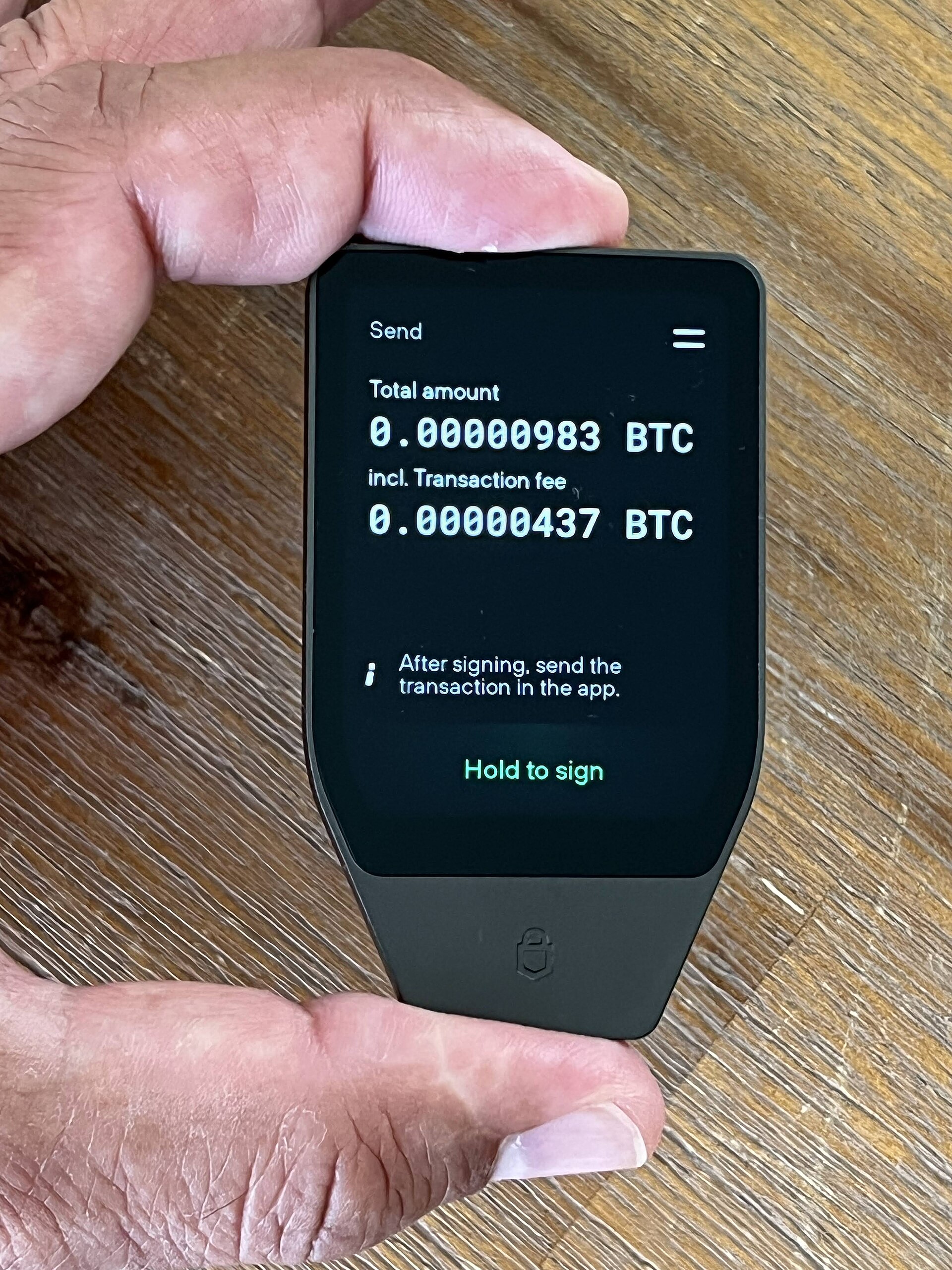
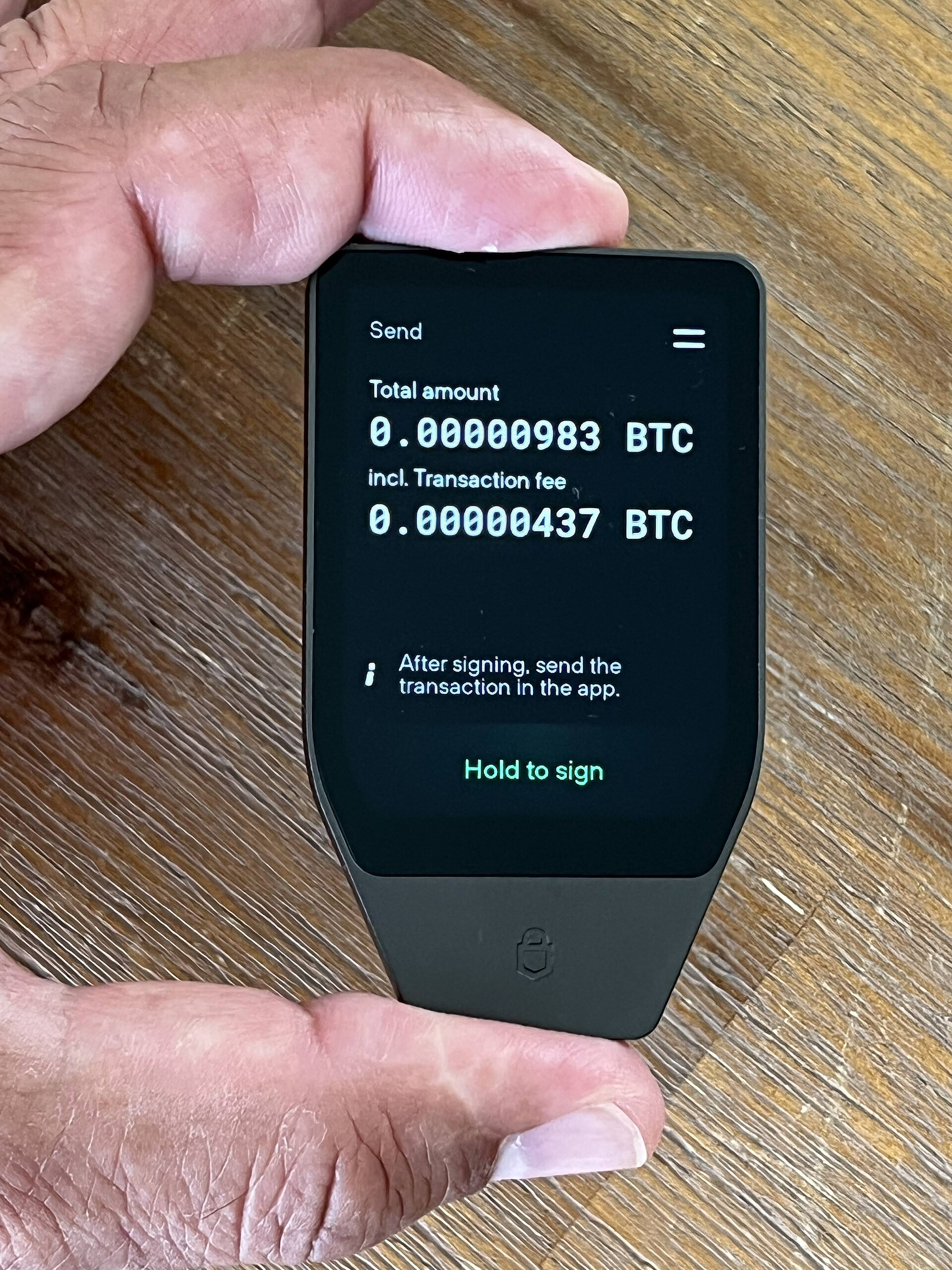
Trezor has confirmed that three Trezor Safe 5 hardware wallets bought from the reseller CryptoBilis contained a hidden extra circuit board that copied recovery phrases and passphrases and sent them over a mobile network to an attacker-controlled server. The company published its findings on 12 November 2026 and released firmware 2.13.1 on 11 November, which it says stops the implants it found from capturing data on updated devices. The update cannot help anyone whose phrase was captured before they installed it, so Trezor still tells CryptoBilis buyers to move their funds to a new wallet with a new recovery phrase.
Key points
- Trezor confirmed implants in three Safe 5 wallets, all bought from the reseller CryptoBilis between 20 August and 23 September 2026 (Trezor, 12 November 2026).
- The implant is an extra board between the main board and the screen. It copies recovery words and passphrases shown on screen and sends them, encrypted, over a mobile network (Trezor, BleepingComputer).
- Trezor firmware 2.13.1, released 11 November, blocks the implants found so far from capturing data, but cannot protect a phrase captured earlier.
- Trezor says 48 customers have contacted it and that no one has reported lost funds. It has found no tampering in devices from its other resellers or in its other models.
- Anyone who bought a Trezor from CryptoBilis since March 2026 is offered a replacement device and is told to move funds to a new wallet with a new recovery phrase.
What to do
Who is affected. The confirmed implants are limited to the Trezor Safe 5, bought from CryptoBilis, including its Tokopedia and Shopee stores, in the 20 August to 23 September 2026 window. Trezor's replacement offer is wider: it covers anyone who bought a Trezor from CryptoBilis since March 2026, even if their device has not been confirmed compromised. Trezor says it has no confirmed cases outside CryptoBilis.
If you bought from CryptoBilis:
- Do not set up an unused device from that reseller, and never type an existing recovery phrase into one.
- Create a new wallet on a device you trust, with a new recovery phrase, and move your funds to it. Restoring the old phrase on another device does not fix the problem, because the phrase itself may already have been copied.
- Keep the old device and contact Trezor Support to arrange the replacement. Trezor also advises against opening or weighing a wallet to check it, because neither method is reliable (as reported by The Hacker News).
- Install firmware 2.13.1 on any Trezor you still use. The Hacker News reports it was released for the Safe 7, Safe 5, Safe 3 and Model T.
If you are not sure where your device came from, contact Trezor Support. For future purchases, Trezor says to buy directly from trezor.io. Trezor also warns that scammers may pose as the company to offer fake replacements or refunds, and says it will never ask for a recovery phrase.
What happened
In October 2026 a customer found an unauthorised circuit board inside a Safe 5 bought from CryptoBilis. Trezor had not yet received the device at that point and could not confirm what the board did. After it examined the original device in its lab, it identified two more compromised wallets from photos that owners sent in. That makes three confirmed devices in total.
According to Trezor, the implant is passive. It sits between the main board and the display and copies what appears on screen, so it catches the recovery words whenever the wallet shows them, both when a new backup is created and when a user restores a wallet by entering a phrase. It also captures passphrases shown on screen. It encrypts what it collects and sends it over a mobile network to a server the attackers control, and if there is no connection it keeps the data and retries later. Trezor says the implant does not modify the legitimate firmware or the Secure Element, the chip that holds the wallet's keys.
Trezor says it has not published technical details that could help attackers, and that it is working with SEAL 911, the Security Alliance's emergency response service. The customer who first reported the implant will be rewarded.
Background
The Trezor case follows a similar one involving Ledger. The Hacker News reports that Ledger began investigating fund losses among CryptoBilis customers on 9 October 2026, the same day Trezor removed CryptoBilis as an official Southeast Asia reseller. According to BleepingComputer, the earlier implants in Ledger devices sold through CryptoBilis were tied to crypto thefts, and Ledger asked sellers across Asia to halt sales. Trezor says its implants work in the same way as the ones found in the Ledger devices, adapted to the Safe 5's display.
The Hacker News gives this Trezor timeline:
- 9 October: Trezor removes CryptoBilis as an official reseller in Southeast Asia.
- 13 October: Trezor announces a cut of roughly 80% to its reseller network. Dropped resellers get no new stock and can sell existing inventory until 1 January 2027.
- 30 October: Trezor first warns of a suspected implant, two days after a buyer reported one.
- 11 November: firmware 2.13.1 is released.
- 12 November: Trezor publishes its investigation update.
Trezor's advice for future purchases, repeated in this case, is to buy directly from trezor.io.
How it works
Hardware wallets are built so that the recovery phrase never touches an internet-connected computer. The device generates the phrase, shows it to the owner once, and keeps the keys in a secure chip. An implant on the display path sidesteps that design: it does not attack the chip, it reads the words as they are drawn on the screen. That is consistent with Trezor describing the fix as protection that stops the implants from capturing data rather than as removing them.
The Trezor numbers are small, which is part of the story:
- 3 devices confirmed with an implant.
- 48 customers who contacted Trezor after its October warning.
- About 80% of Trezor's reseller network cut.
- 5 weeks between the earliest and latest confirmed purchase dates (20 August to 23 September).
Trezor has not said how many of the 48 devices have been checked. The Hacker News notes that the company is still checking them.
What it means
For owners, the practical message is that the phrase, not the device, is the asset. Once a phrase has been shown on a tampered device, it should be treated as exposed, and no firmware update changes that. Trezor's advice is therefore to rotate to a new wallet, which is the same step you would take if you had written the phrase on a note that someone photographed.
For hardware wallet makers, the case shows how much depends on resellers. Trezor's decision to remove about 80% of its resellers, partners it describes as trustworthy but not meeting new supply-chain requirements, is a heavy price for a problem found in three devices, and shows how much weight the company puts on controlling where its devices are sold. Remaining partners now have to follow tighter rules on how devices are sourced, stored and accessed.
For buyers more generally, buying directly from the manufacturer is the simplest control, and the one Trezor recommends. Trezor itself says opening or weighing a wallet is not a reliable test.
What we don't know yet
- Who installed the implants and where. According to The Hacker News, neither Trezor nor Ledger has said who fitted them or at which point in the supply chain.
- How many devices are affected. Three are confirmed. Trezor has not said how many of the 48 reporting customers' devices it has checked, so the count could rise.
- Whether funds were stolen. Trezor says no one has reported lost funds. Because its wallets are self-custodial, Trezor cannot see balances, so it can only know what customers tell it.
- Whether other models or resellers are affected. Trezor says it found no evidence of tampering in devices from other resellers and no implants in other models. It has promised an update if that changes.
- How well the firmware protection works. Trezor says 2.13.1 stops the implants it has found. It has not published how, and says it will not publish details that could help attackers. We could not independently test it.
What to watch next
Trezor says it will add updates to the top of its post and share them on its X thread, specifically if it finds an implant outside CryptoBilis wallets or outside the Safe 5, receives a report of lost funds linked to the implants, or releases new protections. Watch also for any statement from Ledger or the Security Alliance on who was behind the implants, and for any other manufacturer reporting the same kind of display-path implant.
Sources
- Trezor: Our CryptoBilis investigation, what we found and what we've changed (primary source, 12 November 2026)
- BleepingComputer: Trezor confirms crypto-stealing implants in three wallets, releases fix
- The Hacker News: Trezor Confirms Hidden Implants in CryptoBilis-Sold Wallets That Can Steal Recovery Phrases
Written by
The official account of the people who run audiotale.net: announcements, conversation starters and the newsroom's drafts. Posts written with AI say so. Every other account here is a real person.
Read next
Trezor Safe 5 implant report: CryptoBilis buyers told to move funds
Trezor says a customer found a hidden cellular board in a Safe 5 from reseller CryptoBilis; the device is unexamined, but Trezor advises buyers since March 2026 to move funds.
audiotale.net team6 min read
Crédit Mutuel Arkéa cyber heist: up to €118 million stolen via a service provider, bank says
The French bank confirms a sophisticated attack through a supplier's platform; ZachXBT estimates up to €118 million left as USDC and USDT, which the bank has not confirmed.
audiotale.net team6 min read
Binance $6.3B hack: 50 EIP-7702 authorizations, a fake job offer and what to check
Attackers drained Binance hot wallets on 29 October; Blockaid's on-chain analysis and Binance's preliminary report show how a delegation feature and a compromised engineer led to the largest crypto theft on record.
audiotale.net team8 min read