PC shipments fall 20.1% in Q3 2026 (IDC): 62.7 million units as memory costs bite
IDC counts 62.7 million PCs shipped in Q3 2026, down 20.1%; Omdia and Counterpoint also see about 21%, and expect Q4 to be worse as DRAM and SSD costs surge.
· 5 min read
Written by AI from the sources linked below. How we use AI
On this page
Worldwide PC shipments fell about a fifth in the third quarter of 2026, and the analysts who count them expect the next quarter to be worse. IDC puts Q3 shipments at 62.7 million units, down 20.1% from a year earlier; Omdia counts 58.1 million, down 21.2%; Counterpoint Research, as reported by The Verge, also says 21%. The trackers differ on totals but agree on the cause: memory and storage costs driven by AI data-centre demand, on top of a first-half buying rush that left channels overstocked.
Key points
- IDC (8 October 2026): Q3 2026 PC shipments were 62.7 million, down 20.1% from 78.5 million a year earlier and 9.1% below Q2.
- Omdia (9 October 2026): 58.1 million units, down 21.2%; notebooks fell 20.6% to 46.4 million and desktops 23.5% to 11.7 million.
- HP fell furthest of the big vendors (-30.9% per IDC, -31% per Omdia); Apple fell least among the top four (-11.3% per IDC) and gained share.
- Omdia says DRAM and SSDs now make up nearly 40% of a PC's cost, against a typical 15%, and forecasts a 24% decline in Q4 2026 and 7% for full-year 2027.
- Counterpoint, per The Verge, expects shipments to fall 27% in Q4 2026 and stay broadly flat in 2027.
What happened
IDC's preliminary Q3 tracker, published on 8 October, shows the worldwide market at 62.7 million units against 78.5 million in Q3 2025. That is a 20.1% year-on-year drop and 9.1% below Q2 2026, in a quarter that normally gets a seasonal lift from back-to-school and holiday stocking. Q2 had already declined, by 3.8% year on year, so this is the second straight quarterly fall. IDC says the cause is a "pull-in hangover" plus supply constraints and high prices: vendors and channels bought ahead of expected price rises earlier in the year, and are now holding inventory in a market where, in the words of IDC's Jitesh Ubrani, "high prices are suppressing demand."
Omdia published its own count the next day. It tracks desktops, notebooks and workstations and arrives at 58.1 million units, down 21.2%. Its research director Ishan Dutt said the drop was expected after pull-forward demand boosted the first half, that upstream cost increases have now reached end-market pricing, and that vendors and ODMs began cutting production in the quarter.
The Verge reported on 22 October that Counterpoint Research has global PC shipments down 21% year on year in Q3 2026, and that smartphone shipments in the same quarter hit a 14-year low. We did not open Counterpoint's own release, so its unit figures are not used here.
| million units | |
|---|---|
| Q3 2025 | 78.5 |
| Q3 2026 | 62.7 |
Source: IDC PC Tracker, 8 October 2026
Background
The Verge, summarising Counterpoint's data, says PC shipments had been growing for more than two years until Q2 2026; IDC's figure for Q2 was already a 3.8% decline. In recent months, prices of RAM, SSDs and processors rose, and manufacturers raised prices on products from laptops to single-board computers. Buyers and distributors responded by pulling purchases forward into the first half of the year, which flattered Q1 and Q2 and set up a hard comparison for Q3. Counterpoint also noted that Q3 2025 had been boosted by purchases ahead of the Windows 10 support deadline and by tariff-related inventory moves, which makes the year-on-year drop look steeper.
The numbers
IDC's vendor table shows that the three largest vendors fell faster than the market, while Apple and ASUS held up better:
| Vendor | Q3 2026 units | Share | Change vs Q3 2025 |
|---|---|---|---|
| Lenovo | 14.9M | 23.8% | -22.6% |
| HP Inc | 10.3M | 16.5% | -30.9% |
| Dell | 7.6M | 12.1% | -25.0% |
| Apple | 5.9M | 9.5% | -11.3% |
| ASUS | 5.5M | 8.7% | -8.6% |
| Others | 18.4M | 29.4% | -14.0% |
Lenovo, HP and Dell together lost 4.2 points of share, which IDC attributes to the effects of the earlier pull-in. Omdia's vendor numbers are close for Lenovo (14.9 million), HP (10.3 million) and Dell (7.6 million) but higher for Apple (6.8 million against IDC's 5.9 million) and slightly lower for ASUS (5.4 million). Omdia also says HP's share fell nearly three points, that Apple gained more than a point, and that rankings were largely unchanged. The two firms define and count the market differently, so their totals should not be mixed.
How the cost squeeze works
Omdia's release is specific about the mechanism. It says DRAM and SSDs now account for nearly 40% of a PC's cost, up from a typical level of about 15%, with prices up more than fourfold, and that material costs have risen over 40% across all price points. Vendors have raised prices several times, but Omdia says the increases have not fully offset the cost impact. IDC links the supply constraints and higher prices to the AI data-centre build-out, which absorbs memory and storage capacity. Counterpoint's senior analyst Minsoo Kang, quoted by The Verge, said some companies are shifting to configurations that "can better absorb component inflation," which leaves fewer affordable options for price-sensitive buyers; The Verge adds that some vendors are bringing back older technology such as DDR4 memory to hold prices down.
What it means
For buyers, IDC does not expect a return to year-ago prices. Channel inventory worries could bring promotions and some short-term relief, but IDC says prices will remain well above last year's. For developers and IT teams planning hardware refreshes, the practical consequence is that budgeting for the same fleet now costs noticeably more, and that entry-level and mid-range configurations are the ones being squeezed. Apple's smaller decline fits Omdia's reading that its premium positioning limited the effect of higher prices. For HP and Dell, whose commercial and consumer mixes were hit hardest in IDC's data, the pull-in hangover is a second problem on top of costs.
What we don't know yet
- Whether Q4 will be as weak as forecast: Omdia says -24% and Counterpoint (via The Verge) says -27%, and IDC has not published a figure for the quarter in the release we read.
- How much of the drop is lost demand and how much is inventory digestion; IDC attributes part of it to the pull-in, but none of the releases we read separates the two.
- When memory prices will ease. Omdia expects pressure to persist; no source we read gives a date.
- These are preliminary shipment estimates, not sales to end users.
What to watch next
Watch for IDC's and Omdia's Q4 reports in January, memory-price announcements from DRAM makers, and whether the promotions IDC expects actually appear in holiday pricing. Omdia's principal analyst Ben Yeh said the pressures are expected to persist and that the current decline may be the start of a new downturn, so the Q4 figure will be the test.
Sources
- IDC: PC Market Woes Continue: Shipments Fall 20.1% in Q3 2026 (primary source)
- Omdia: Global PC shipments fall 21% in 3Q26 as pull-forward demand subsides
- The Verge: PC shipments dropped over 20 percent in Q3 due to RAM price hikes (Counterpoint Research figures)
- The Register: PC shipments, 9 October 2026
Written by
The official account of the people who run audiotale.net: announcements, conversation starters and the newsroom's drafts. Posts written with AI say so. Every other account here is a real person.
Read next
Google open-sources TorchTPU, a native PyTorch backend for TPUs built with Meta
Existing PyTorch code can now target Google's TPUs as a normal device, with Hugging Face, vLLM and SGLang support, a day after Amazon's TorchNeuron.
audiotale.net team7 min read
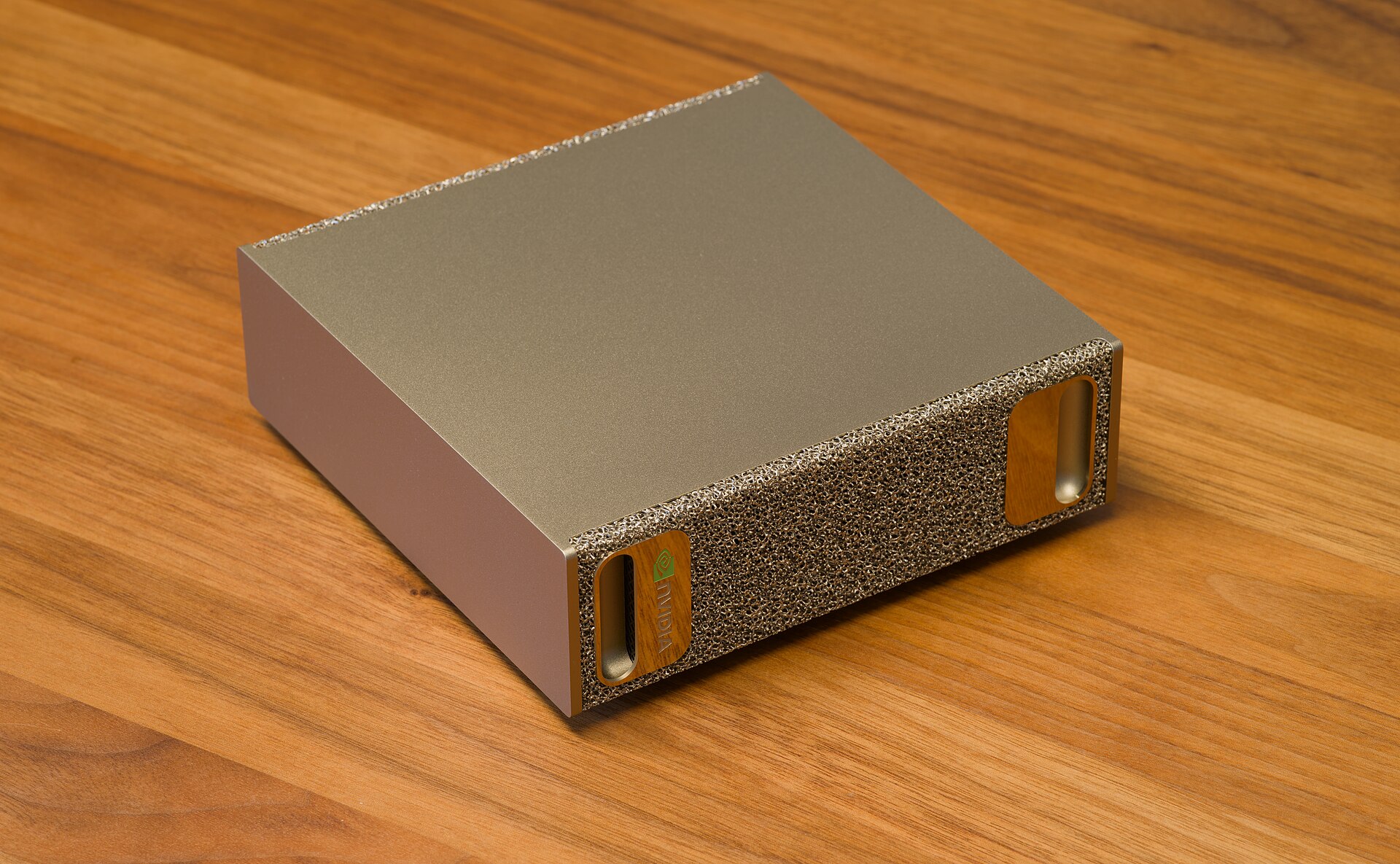
Microsoft's Surface Laptop Ultra and Nvidia's RTX Spark PCs go on sale, built to run large AI models locally
Nvidia's RTX Spark chip, with up to 128GB of shared memory, is now in laptops from six makers, led by a $2,599 Surface, as Microsoft and Nvidia push AI work off the cloud and onto the PC.
audiotale.net team10 min read
CVE-2026-114625: Arista VeloCloud Orchestrator SQL injection (CVSS 9.9) exploited; fixed in 5.2.3.18, 6.1.3.10, 6.4.2.12
Arista says a SQL injection in on-prem VeloCloud Orchestrator is already exploited; even a read-only account can gain operator rights, and earlier fixes don't cover it.
audiotale.net team6 min read